
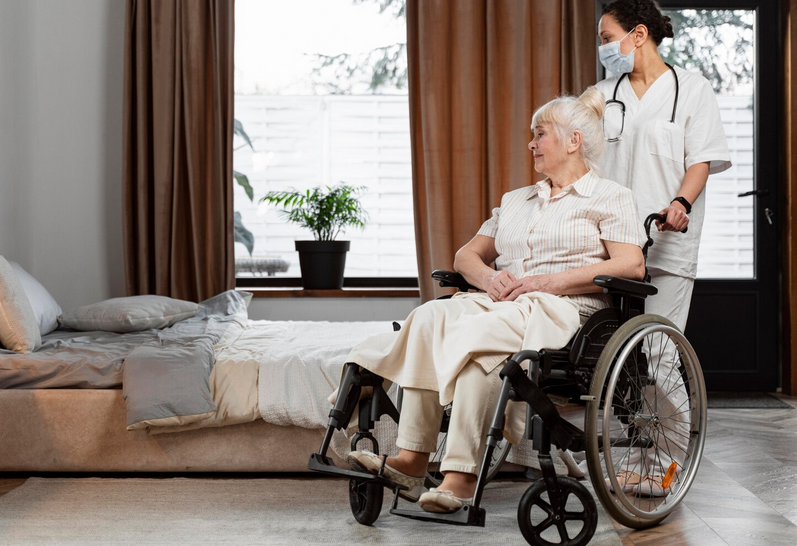
Creating a home that supports both residents and caregivers requires careful planning and attention to accessibility. From wider doorways to slip-resistant flooring, small adjustments can make a significant difference in safety, comfort, and efficiency. For those responsible for daily care, understanding which modifications truly matter is essential, and resources like this helpful guide for caregivers at home provide valuable insights on practical upgrades. Accessible features not only reduce the risk of accidents but also empower aging or mobility-challenged individuals to maintain independence. By incorporating thoughtful design elements, families can create an environment where caregiving is less stressful and more effective. With the right adjustments, homes can become spaces that accommodate everyone’s needs, ensuring safety, functionality, and peace of mind for both caregivers and those they care for.
Wide Doorways and Hallways
One of the fundamental considerations for an accessible home is ensuring that doorways and hallways are wide enough to accommodate mobility aids such as wheelchairs or walkers. Narrow passages can hinder movement, making daily tasks more challenging for both the caregiver and the care recipient. By prioritizing spacious entryways and unobstructed hallways, the home becomes easier to navigate, reducing stress and enhancing overall functionality.
Adapted Bathrooms

Bathrooms are often the most critical areas for accessibility. Features such as grab bars, non-slip flooring, and walk-in showers create a safer environment for daily routines like bathing and toileting. Raised toilet seats and shower chairs further assist individuals with limited mobility. By carefully designing bathrooms to meet accessibility needs, caregivers can prevent falls and injuries while providing care more efficiently.
Stair Alternatives and Floor Planning
Stairs can present significant challenges in caregiving, especially for individuals with limited mobility or balance issues. Homes with single-level living or the inclusion of stair alternatives, such as ramps or stairlifts, make movement safer and more manageable. Thoughtful floor planning, which places bedrooms and essential living areas on the same level, minimizes the need for frequent trips up and down stairs and supports a smoother daily routine.
Accessible Kitchens and Living Spaces
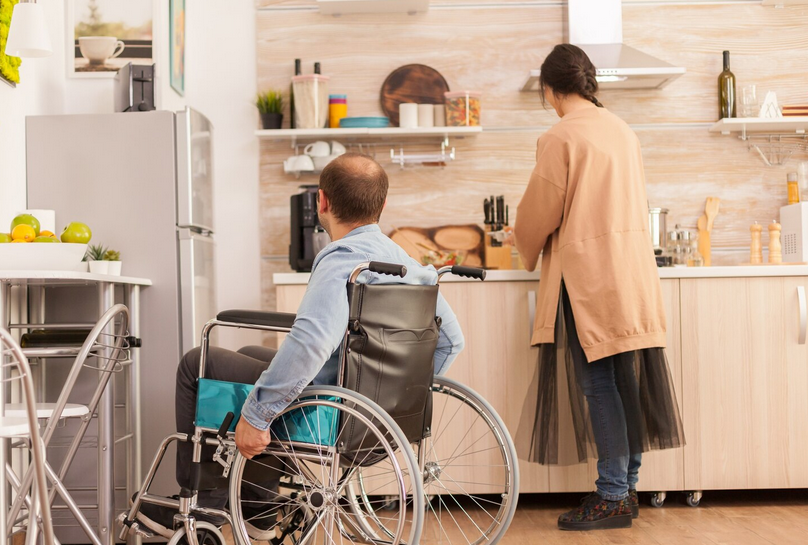
Kitchens and living areas should also be adapted to enhance accessibility. Countertops at appropriate heights, easy-to-reach storage, and open floor plans allow care recipients to participate in daily activities safely. Furniture placement that creates clear pathways prevents obstacles and facilitates movement, making these shared spaces functional and comfortable for everyone in the household.
Safety and Emergency Considerations
Accessible homes should prioritize safety features beyond basic mobility needs. Good lighting, emergency call systems, and clear signage help prevent accidents and allow caregivers to respond quickly when needed. Smoke detectors, carbon monoxide alarms, and accessible exits further contribute to a secure living environment. Safety-focused design ensures that both caregivers and care recipients can live with confidence and peace of mind.
Accessible home features are essential for effective caregiving, creating a space that is safe, functional, and supportive. Wide doorways, adapted bathrooms, stair alternatives, accessible kitchens, and safety-focused design all contribute to a home that accommodates mobility challenges and daily routines. By thoughtfully incorporating these elements, families can improve the quality of care while promoting independence and comfort for care recipients. Accessible design is not just about convenience—it is a crucial investment in the health, safety, and well-being of everyone in the home.