

Renovating your home is exciting, especially when you start imagining fresh paint, beautiful flooring, updated kitchens, and more comfortable living spaces. However, the excitement can quickly fade when unexpected expenses start piling up. Many homeowners focus on the obvious costs, such as labour and building materials, while forgetting several smaller expenses that can make a big difference. Creating a realistic home renovation budget means looking beyond the initial estimates. From permits and equipment hire to waste removal and unexpected repairs, knowing what to prepare for can help you enjoy the renovation process without constantly worrying about money.

Start by Getting Your Reno Budget Right
Before buying materials or hiring contractors, take some time to understand the full scope of your project. A good starting point is getting your reno budget right by listing everything you want to change and researching the likely costs involved. Whether you’re updating one room or renovating the entire house, having a clear financial plan helps you prioritise essential improvements and avoid spending money on unnecessary extras.
Don’t Forget Permits and Inspection Fees
Depending on the type of renovation you’re planning, you may need building permits, approvals, or professional inspections. These costs are easy to overlook, particularly when you’re focused on construction work. Structural changes, electrical upgrades, and home extensions may require additional permissions. Check your local requirements early so you can include these expenses in your home renovation budget rather than scrambling to pay for them later.
Account for Skilled Labour Costs
Labour is often one of the biggest renovation expenses, and it’s not an area where cutting corners is always a good idea. Builders, electricians, plumbers, carpenters, and painters all have different rates depending on their experience and the work involved. Get several quotations before making a decision, and remember to consider the quality of workmanship. Paying for reliable professionals can help prevent expensive mistakes and future repairs.
Include the Little Costs of Building Materials
It’s easy to estimate the cost of tiles, paint, timber, and flooring while forgetting the smaller supplies needed to complete the job. Adhesives, screws, sealants, insulation, protective coverings, and finishing materials can add up quickly. You should also account for delivery charges and possible price changes. Buying quality materials within your budget can help you achieve a beautiful finish without unnecessary replacements.

Remember Equipment and Machinery Hire
Some renovation projects require more than basic hand tools. You might need scaffolding, diggers, cranes, or other specialised equipment to complete certain tasks. Hiring these items can increase your overall expenses, especially when projects take longer than expected. Ask contractors whether equipment hire is included in their quotations so you don’t end up paying twice or facing unexpected rental charges.
Make Room for Cleaning and Waste Removal
Once the renovation work begins, construction waste can accumulate surprisingly quickly. Old flooring, broken tiles, damaged fixtures, packaging, and leftover building materials all need to be removed. Budget for skip hire, rubbish collection, transportation, and post-construction cleaning. A clean and organised space makes it much easier to enjoy your newly renovated home once the work is finished.
Plan for Unexpected Renovation Expenses
Even the most carefully planned projects can come with surprises. You might discover leaking pipes, damaged wiring, damp walls, or structural problems after removing old fixtures. Setting aside around 10% of your total renovation budget as a contingency fund can give you some financial breathing room. This reserve helps you handle unexpected repairs without disrupting the entire project.
Think About Long-Term Energy Savings
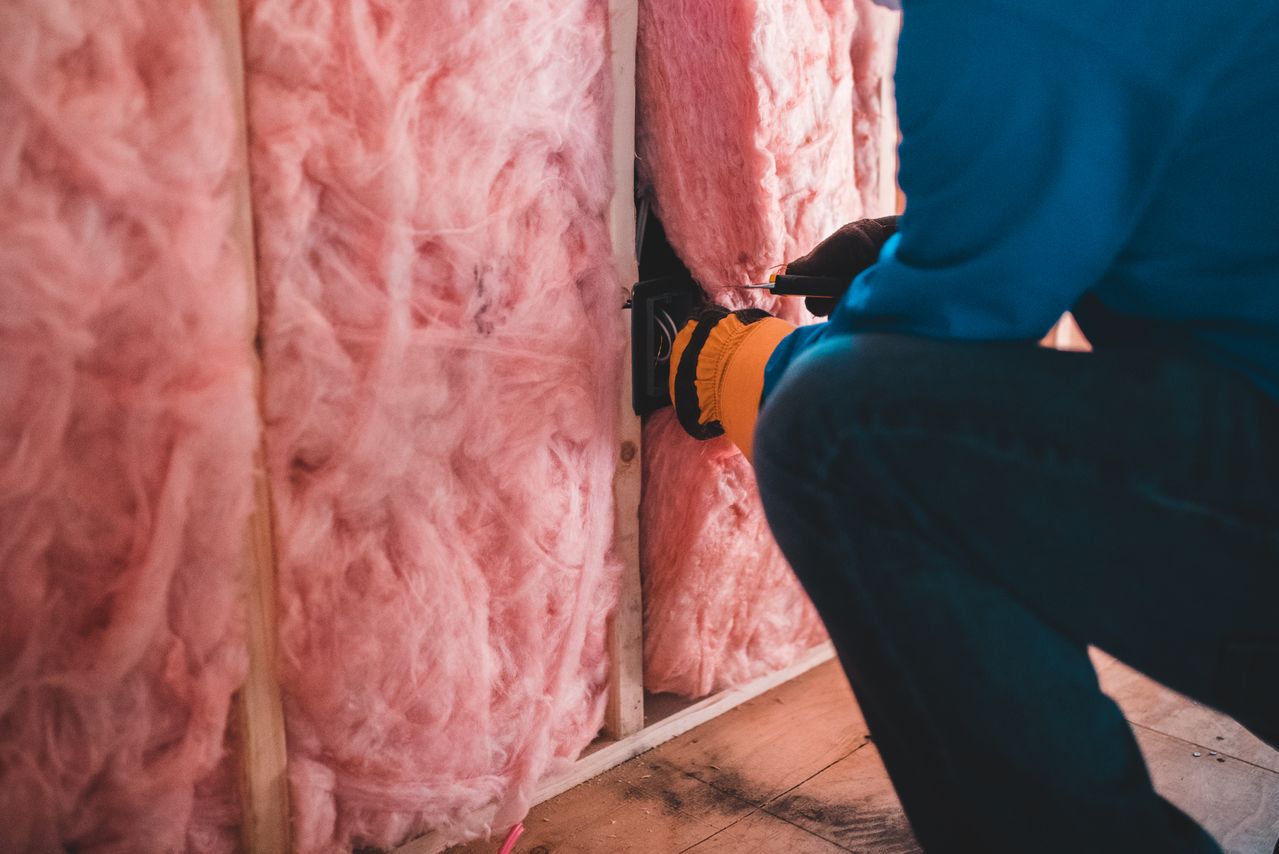
A renovation is also a great opportunity to make your home more energy-efficient. Improvements such as better insulation, modern heating systems, and solar installations may increase your initial spending, but they can help reduce energy costs over time. Consider which upgrades make sense for your home and budget, especially if you’re planning to stay in the property for many years.
A successful renovation isn’t just about choosing beautiful finishes or finding the right contractor. It’s also about preparing for the expenses that are easy to forget. By accounting for permits, labour, materials, equipment, waste removal, and unexpected repairs, you can create a more realistic home renovation budget and enjoy your home transformation with fewer financial surprises.